
"Ethiopian green beans"
1000 article(s) found

Ethiopian Sidamo G1 taste description grinding calibration method
Ethiopia Sidamo G1 taste and flavor description grinding scale washing treatment of Sidamo is light green, small beans, oval growth, full fruit, good average quality, fragrant and mellow smell, one drop of entrance, endless aftertaste, with wild beauty. It is elegant and playful, the palate is mild and pleasant, and has a strong taste impact with the bright lemon acid later on.

Ethiopian fine coffee beans flavor taste Manor production characteristics Variety brand introduction
In February 1977, Lieutenant Colonel Mengistu Haile Mariam launched a military coup and served as Chairman of the Provisional Military Administrative Council and Head of State. In 1979, the Organization Committee of the Ethiopian Working People's Party, dominated by military personnel, was established to implement a one-party system. In 1984, the Ethiopian Workers 'Party was formed on the model of the Communist Party of the Soviet Union. Mengistu, September 1987

Introduction to the Coffee Flavor producing area of Cedar Motede Manor in Ethiopia
Ethiopia is rectangular, with a ratio of length to width of 3:2. From top to bottom, it is composed of green, yellow and red parallel equal horizontal rectangles, with the national emblem in the middle of the flag. Since the end of the 19th century, Ethiopia began to use the green, yellow and red cross-striped national flag. In modern history, Ethiopia is the first African country to join the forest of free nations. [8] to this century

A brief introduction to the cultivation of boutique coffee beans in the fresh and bright Cochell Manor, geographical location, climate and altitude
Yega Xuefei is a small town, 700-21000 meters above sea level, synonymous with Ethiopian boutique coffee. It has been a wetland since ancient times. The ancient saying "Yirga" means to settle down and "Cheffe" means a wetland. The mode of production and flavor of coffee here are so outstanding that Ethiopian coffee farmers compete to take pride in the flavor of their coffee, and thus become Africa.

A brief introduction to the Origin, Development, History and Culture of Fine Coffee beans in the fresh and bright Cochell Manor
In the fifties and sixties of this century, many African countries became independent one after another and adopted green, yellow and red as the colors of the national flag, so they were called pan-African colors. Ethiopia is one of the ancient countries in Africa, with a long history of more than 3000 years, giving green, yellow and red colors deeper roots in this land. Historically, they are closely related to the liturgy of the Coptic church.

A brief introduction to the Origin, Development, History and Culture of Fine Coffee beans in the fresh and bright Cochell Manor
Ethiopia is rectangular, with a ratio of length to width of 3:2. From top to bottom, it is composed of green, yellow and red parallel equal horizontal rectangles, with the national emblem in the middle of the flag. Since the end of the 19th century, Ethiopia began to use the green, yellow and red cross-striped national flag. In modern history, Ethiopia is the first African country to join the forest of free nations. [8] to this century

Fragrant Ethiopian Coffee Manor Fine Coffee Bean cultivation Geographic location Climatic Sea
The coffee producing areas of Ethiopia are Sidamo, Harald and Sidamo, Harrar and Yirgacheffe. Sidamo and Harrar are provinces and divisions. Sidamo is located in the south of Ethiopia bordering Kenya, and Harrar borders Somalia in the east of Ethiopia. Although Yirgacheffe is a community in the Sidamo region, due to soil composition and water content and other reasons.

Taste of Ethiopian Rosa Coffee introduce the flavor characteristics of Ethiopian Rosa Village Coffee
Rose summer village GeshaVillage GoriGesha forest, where rose summer seeds were first found. They collected seeds from native rose trees, and after careful screening, they sent the seeds to professional institutions for genetic testing to determine that they belonged to the original collection of Panamanian rose varieties.

Introduction to the characteristics of Flavor description treatment of Ethiopian Coffee Bean varieties
Ethiopian coffee taste variety Ethiopian coffee should be the only pollution-free green organic coffee in the world. Ethiopia still uses traditional planting methods to artificially care for coffee trees, and fertilizers are mainly deciduous leaves, withered grass and animal manure, replacing harmful pesticides and herbicides used on a large scale in other coffee-producing countries. Ethiopia now produces mocha-Mocha coffee

The cultivation of boutique coffee beans in Africa's most famous Yega Ficher Manor
Yega Xuefei is a small town, 700-2100 meters above sea level, synonymous with Ethiopian boutique coffee. It has been a wetland since ancient times. The ancient saying "Yirga" means to settle down and "Cheffe" means a wetland. The mode of production and flavor of coffee here are so outstanding that Ethiopian coffee farmers compete to be proud of the flavor of their coffee, making it the best in Africa.

A brief introduction to the description of the flavor, taste and aroma characteristics of boutique coffee beans in the fresh and bright Cochell manor
In the fifties and sixties of this century, many African countries became independent one after another and adopted green, yellow and red as the colors of the national flag, so they were called pan-African colors. Ethiopia is one of the ancient countries in Africa, with a long history of more than 3000 years, giving green, yellow and red colors deeper roots in this land. Historically, they are closely related to the liturgy of the Coptic church.

What are the flavor characteristics of Ethiopian coffee beans A brief introduction to Arabica coffee beans
Professional coffee knowledge exchange more coffee bean information please follow the coffee workshop (Wechat official account cafe_style) front street-Ethiopian coffee beans, Arabica coffee beans introduction Ethiopia is the birthplace of the famous Arabica coffee beans, people have maintained the tradition of collecting wild coffee beans. After more than a thousand years of evolution, the coffee garden with an elevation of more than 1500 meters

You may not know this about Ethiopian coffee.
Ethiopia is known as the birthplace of coffee. There is such a custom in Ethiopia. No matter how poor people are, they must have a coffee pot and a charcoal stove. Why? Because the local people think that coffee is what they have to make every day, because they think chemical fertilizer is very expensive, so they never use chemical fertilizer. Then this coffee is brewed.
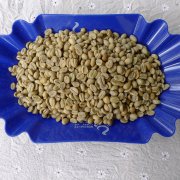
Ethiopian sun Ye Jia Xuefei Coffee cooked Bean Woka Cooperative Alim smallholder Yega Snow Coffee
Coffee bean details: country: Ethiopian level: G1 producing area: Yejia Xuefei Baking degree: shallow Baking method: traditional Solar treatment Variety: local Native species treatment Plant: Waka Cooperative Flavor: complex Fruit, Citrus raspberry, Black Chestnut, Green Apple Waka Cooperative is part of the YCFCU Cooperative Alliance (Yirgacheffe Coffee Farmers).

Ethiopian Coffee Manor Fine Coffee Bean Origin, Development, History and Culture
In December 1994, the Constitution of the Federal Democratic Republic of Ethiopia was formulated. According to the Constitution, Ethiopia will implement a federal system and a parliamentary cabinet system after the general election for a term of five years. After the national election in May 1995, the Federal Democratic Republic of Ethiopia was established on August 22, and Meles became prime minister in her capacity as chairman of the majority party of the people's House of Representatives. On May 14, 2000, Ethiopia held a national meeting

A brief introduction to the planting Market Price of Yega Xuefei Aduodou Fine Coffee Bean varieties with excellent taste
The mode of production and flavor of coffee here is so outstanding that Ethiopian coffee farmers compete to be proud of the flavor of their coffee, making it the most famous coffee producing area in Africa. At first, Yejassefi's coffee trees were planted by European monks, and later by farmers or cooperatives. Yega Xuefei is actually constructed by surrounding coffee communities or cooperatives.

What is the difference in flavor and taste between Guji and Sidamo in Ethiopian coffee producing area
There are eight major coffee producing areas in Ethiopia: Lekempti, Limu, Illubabor, Djimmah, Harar, Teppi/Bebeka, Sidamo and Yirgacheffe. Evaluation of Ethiopian Coffee in China

A brief introduction to the market price of coffee cultivation in Ethiopian coffee farms with moderate acidity and alkalinity
Ethiopia produces between 200000 and 250000 tons of coffee each year. Today, Ethiopia has become one of the largest coffee producers in the world, ranking 14th in the world; the fourth largest coffee-growing villages in Africa account for about 35% of the country's total coffee production. These coffee farms, which use a multi-layer coffee planting system, get

Washed Yega Shefi G1 Water Treatment Plant Ethiopian Fine Coffee Introduction
Professional coffee knowledge exchange More coffee bean information Please pay attention to coffee workshop (Weixin Official Accounts cafe_style) Ethiopian washed Yega Shefei G1 Water treatment plant Flavor description: you can feel lemon peel, green tea aroma, egg flower sweet aroma, fragrant cheese, peach aroma, mixed with kiwi fruit sour and sour feeling, overall flavor clean, is a sweet fragrance

Delicious Ethiopian Sidamo Coffee Fine Sidamo Coffee beans
The Sidamo producing area, which is 1400-2200 meters above sea level, is a famous boutique coffee area in southern Ethiopia, bordering Kenya. The washed Sidamo is light green, the beans are small, the growth is oval, the fruit is full, the average quality is good, the smell is fragrant and mellow, a drop of entrance, endless aftertaste, with wild beauty. The coffee in Sidamo has a very diverse flavor and different soil.